
Manonmaniam Sundaram Pillai: A Luminary of Tamil Literature and Cultural Renaissance
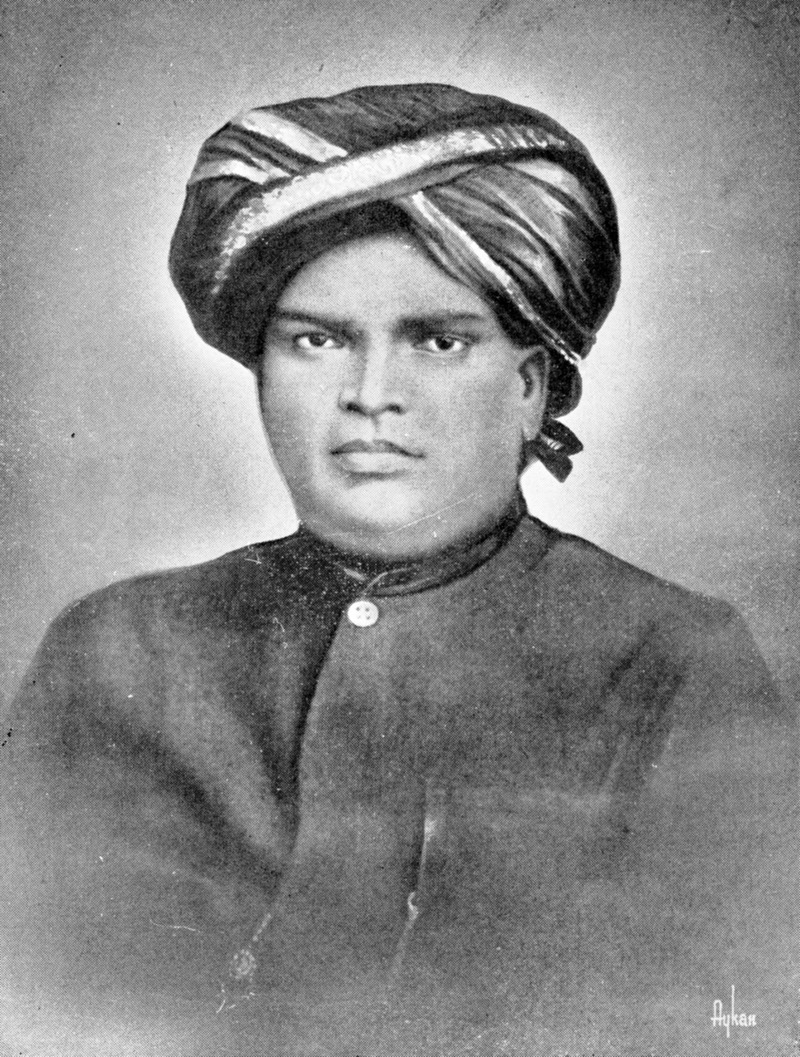
Manonmaniam P. Sundaram Pillai (1855–1897) was a distinguished Indian scholar, historian, and literary figure whose contributions have left an indelible mark on Tamil literature and the cultural identity of South India.

Early Life and Education:
Born on April 4, 1855, in Alappuzha, Kerala, Sundaram Pillai was raised in a Tamil-speaking family. His early education was steeped in classical Tamil literature and religious texts, laying the foundation for his future scholarly pursuits. He earned his Master of Arts degree in philosophy in 1880 and began his academic career as a teacher in 1877. His tenure included positions at the Tirunelveli English Tamil College and later at King's College in Thiruvananthapuram, where he taught philosophy.
Literary Contributions:
Sundaram Pillai's most celebrated work is the Tamil drama Manonmaniam, published in 1891. This play, written in verse, narrates the love story of Manonmani, the daughter of the Pandya king, and Purodottaman, the Chera king. The drama is notable for its poetic elegance and nationalistic themes, reflecting the cultural ethos of the time.

The prelude to Manonmaniam includes the hymn "Tamil Thai Vazhthu," which venerates the Tamil language as a divine mother. This hymn was later adopted as the official state song of Tamil Nadu in 1970, underscoring Sundaram Pillai's lasting influence on Tamil cultural identity.

In addition to his dramatic works, Sundaram Pillai authored Nootrukai Vilakkam (1888), a treatise that attempted to classify various scientific disciplines from an Indian perspective. He also co-authored Some Early Sovereigns of Travancore with Scottish Professor Robert Harvey, reflecting his interdisciplinary approach to scholarship.
Historical and Cultural Impact:
Sundaram Pillai was among the first Tamil scholars to articulate the distinctiveness of Dravidian culture in contrast to Aryan traditions. In a 1897 essay published in the Madras Standard, he posited that South India represented the "real India," culturally independent from Sanskrit and North Indian influences. This perspective laid the intellectual groundwork for the Dravidian movement, which emphasized the unique cultural and linguistic heritage of the Tamil people.
Interaction with Swami Vivekananda:
An intriguing facet of Sundaram Pillai's life is his interaction with Swami Vivekananda during the latter's visit to Thiruvananthapuram in December 1892. Their discussions delved into philosophical and cultural topics, reflecting the intellectual vibrancy of the period. A notable anecdote recounts Vivekananda resting on a 'Krishnasila' (stone cot) in front of Pillai's house, a relic that has since been preserved as a symbol of their meeting
However, their dialogue also highlighted differing perspectives. Sundaram Pillai's assertion of a distinct Dravidian identity, separate from the broader Hindu polity, was met with criticism from Vivekananda, who viewed such distinctions as divisive. This exchange underscores the complex interplay of cultural and philosophical ideas in colonial India .
Books Authored by Manonmaniam Sundaram Pillai:
Manonmaniam (1891) : A famous Tamil verse drama, from which the "Tamil Thai Vazhthu" (Tamil Nadu State Song) is taken.It narrates a historical-romantic story involving love, patriotism, and cultural pride.Widely regarded as his magnum opus and a landmark in Tamil literature.
Some Early Sovereigns of Travancore (Co-authored):A historical treatise written in collaboration with Professor Robert Harvey.Discusses the political history of the Travancore kingdom.Reflects Sundaram Pillai’s methodical approach to South Indian history using epigraphy and temple records.
Nootrukai Vilakkam (நூற்றுகை விளக்கம்):A Tamil philosophical work written in prose.It attempts to explain and classify Indian sciences and disciplines.Noted for its attempt to bring scientific and philosophical inquiry into Tamil intellectual discourse.
Madhura Vijayam – Historical Studies (Various Essays):Although not a standalone book, Sundaram Pillai contributed numerous essays and lectures that were later compiled.These often explored Tamil kings, Dravidian identity, and literary heritage.
Legacy:
Sundaram Pillai's contributions to Tamil literature and cultural identity have been commemorated in various ways. The Manonmaniam Sundaranar University in Tamil Nadu bears his name, serving as a testament to his enduring influence. His drama Manonmaniam was adapted into a film in 1942, further cementing his place in Tamil cultural history.

He passed away on April 26, 1897, at the age of 42, due to diabetes. His legacy continues through his literary works and the cultural movements he inspired.
Manonmaniam Sundaram Pillai's life and work exemplify the profound impact that literature and scholarship can have on cultural identity and societal transformation.
Comments
No comments yet. Be the first to comment!