
Kavimani Desigavinayagam Pillai - A poetic voice for Tamil identity
Kavimani Desigavinayagam Pillai (July 27, 1876 - September 26, 1954) was an eminent Tamil poet. Asiya Jothi, Nanjil Nattu Marumakkal Vazhi Manmiyam, and the translation of the work of Omar Khayyam are his masterpieces. In 1940 the Tamil Sangam at its 7th annual conference held at Madras (now Chennai) honored Desigavinayagam Pillai with the title Kavimani. In October 2005, he was commemorated on an Indian postage stamp.
Early life:
Born to Sivathanupillai and Adilakshmi at Theroor in the Princely state of Travancore now known as Kanyakumari District in Tamilnadu on July 27, 1876.

Desigavinayagam Pillai had his early school education in Theroor and attended college at Nagarcoil. He started his career as a school teacher and after serving in one or two schools in Kottar and in Trivandrum, he joined Maharaja's college at Trivandrum as a lecturer in Tamil.
He composed his first Tamil poem at the age of 19. He wrote many songs for children which were published in'Malarum Malayum' (Flower & Garland) in 1938. Asiya Jothi (Light of Asia), Nanjil Nattu Marumakkal Vazhi Manmiyam (a satire on society) and the translation of the work of Omarkhayyam are his master pieces.
Even now, his poems are taught in schools and colleges. His poems are marked by nobility of intent and simplicity of language. He had a good command over Malayalam and English and translated the work of some selected authors from English to Tamil. In 1940 the Tamil Sangam at its 7th annual conference held at Madras honored Desigavinayagam Pillai with the title 'Kavimani'.
He was also an epigraphist and studied many stone inscriptions in and around Kanyakumari and Nagarcoil. His research work 'KandalurSalai' was famous and was reprinted in the year 1953. He adopted simple living and high thinking as his guiding principle. In 1948 Kavimani was offered the post of the Laureate which he refused and recommended the name of a contemporary Tamil poet for this post.
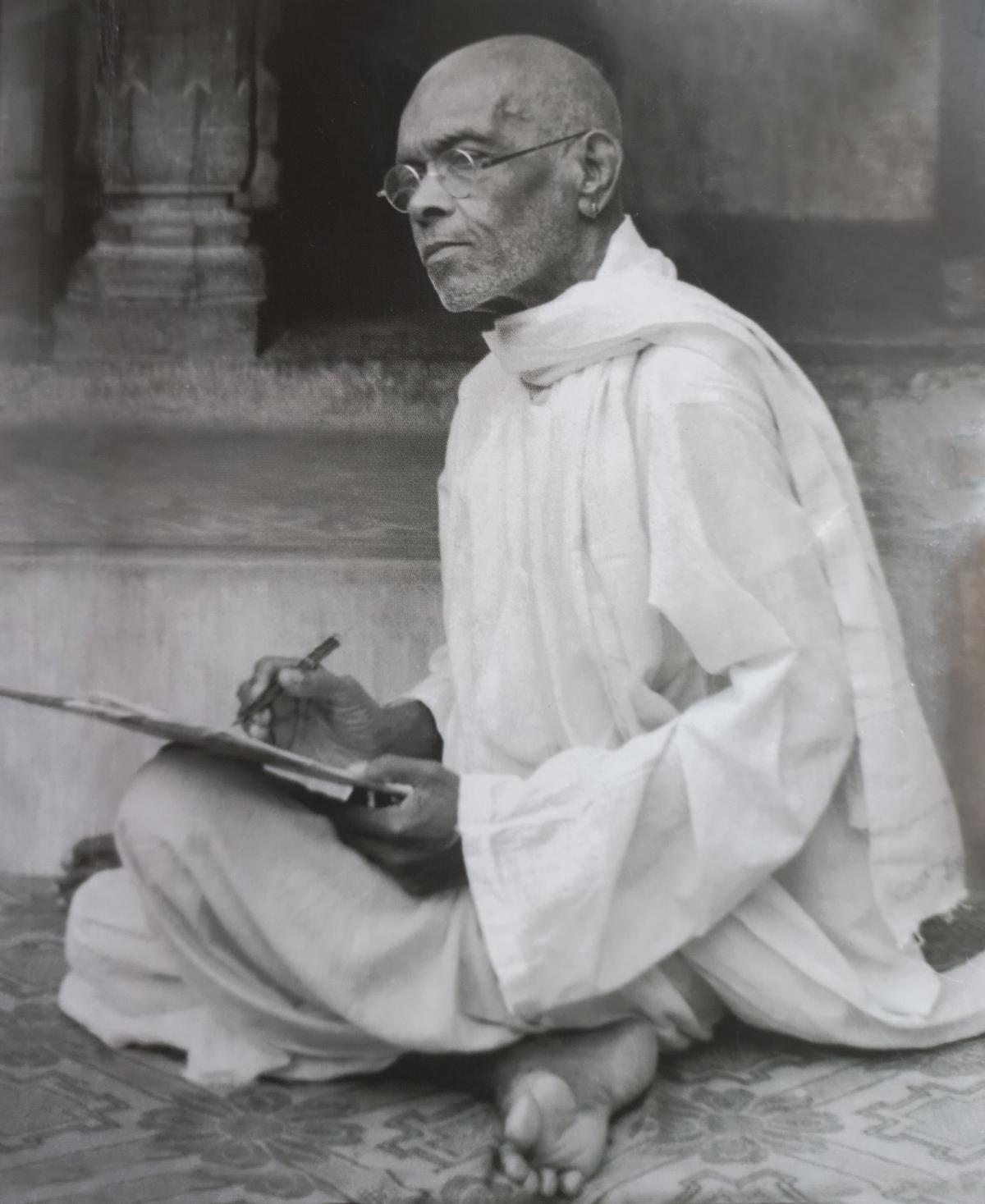
A devout follower of Gandhi, he always wore khadi and used to spin the Charkha. He was deeply concerned with the uplift of the downtrodden. The South Travancore Hindu College was his brain child. He retired from service in 1931 but even after retirement worked as a member of the Text Book Committee of Travancore state and also as a consultant for Tamil lexicon prepared by Madras University.
Researcher and scholar:
Kavimani was an active researcher, contributing significantly to Tamil literature and historical studies. In 1922, he wrote Manonmaniam Marupirappu, a critical essay. He also compiled manuscripts for works like Kambaramaayanam Divakaram and Navaneetha Paatiyal.
Awards and honors:
In 1940, Kavimani was conferred the title "Kavimani" by Tamil scholar Tamilavel Uma Maheswara Pillai at Pachaiyappa’s College in Chennai.[4] In 1943, he was honored with a golden shawl by Annamalai Raja of Chettinad, though he refused monetary gifts
Notable works:

-
Malarmum Maalaiyum (1938)
-
Asiya Jyothi (1941)
-
Nanjilnadu Marumakkal Vazhi Maanmiyam (1942)
-
Kadar Pirantha Kadhai (1947)
-
Umar Khayyam Paadalgal (1945)
-
Devi’s Keerthanangal
-
Kuzhandhai Selvam
-
Kavimaniyin Uraimanigal
-
Gandhaloor Saalai
-
Thottaththin Meiyudha Vellai Pasu
He breathed his last on September 26, 1954 at the age of 78 but till today Kavimani Desigavinayagam Pillai lives in the hearts and minds of people because of his noble deeds and legendary qualities. Kamleshwar Singh designed the Stamp and the First Day Cover. Neenu Gupta designed the pictorial first day postmark. Brochure containing write-up and technical data was issued on the occasion. .
The Tamil world knows him as a poet and the honorific title, Kavimani, says it all. But Kavimani Desigavinayagam Pillai was also an epigraphist and essayist, who had published many research papers based on his studies in Tamil and English.
Comments
No comments yet. Be the first to comment!